Most people hear “the importance of food” and immediately think, I already know that food gives us energy, keeps us alive, blah blah blah.
But here’s the real question:
If everyone already understands why food matters, then why are so many people eating in ways that harm their bodies over time?
Let’s look at the facts.
Diet Quality in America Is Dropping Not Improving
You might assume that with all the health information online, people are eating better.
The data says otherwise:
From 2001 to 2018, diet quality among older U.S. adults declined significantly
Less fruit
Fewer vegetables
Fewer nuts and legumes
More processed meat and saturated fat
Source: JAMA Network
https://jamanetwork.com/journals/jamanetworkopen/fullarticle/2789924
And for kids? The situation still isn’t great.
Diets among children and teens (ages 2–19) have only slightly improved, but overall remain poor
Based on national dietary scoring systems like HEI and AHA measures
Source: National Institutes of Health
https://www.nih.gov/news-events/nih-research-matters/diets-improve-remain-poor-most-us-children
So even though everyone “knows” food is important, the way people actually eat tells a different story.
The Portion Problem
Eating the right foods is one thing but eating the right amount matters too.
A study from Georgetown University shows that bigger portions lead to increased consumption, which raises obesity risks and affects long-term health. Proper nutrition is not only about what’s on the plate but how much is being served.
Source:
Georgetown McDonough School of Business
https://msb.georgetown.edu/news-story/research-and-insights/new-georgetown-study-reveals-impact-of-food-portions-on-health-and-the-environment/
Why This Matters
A lot of people eat to feel:
Full
Convenient
Comforted
Or just “done” with the day
That often leads to:
Fast food stops
Ultra processed meals
Takeout with high sodium, sugars, and oils
Portion sizes way beyond what the body needs
People think they’re fueling their bodies but what they’re really doing is just filling space.
So What Can You Do?
Here are four simple but powerful steps to improve your nutrition:
✅ Make smart choices with portion sizes
✅ Lessen or avoid fast food and junk food
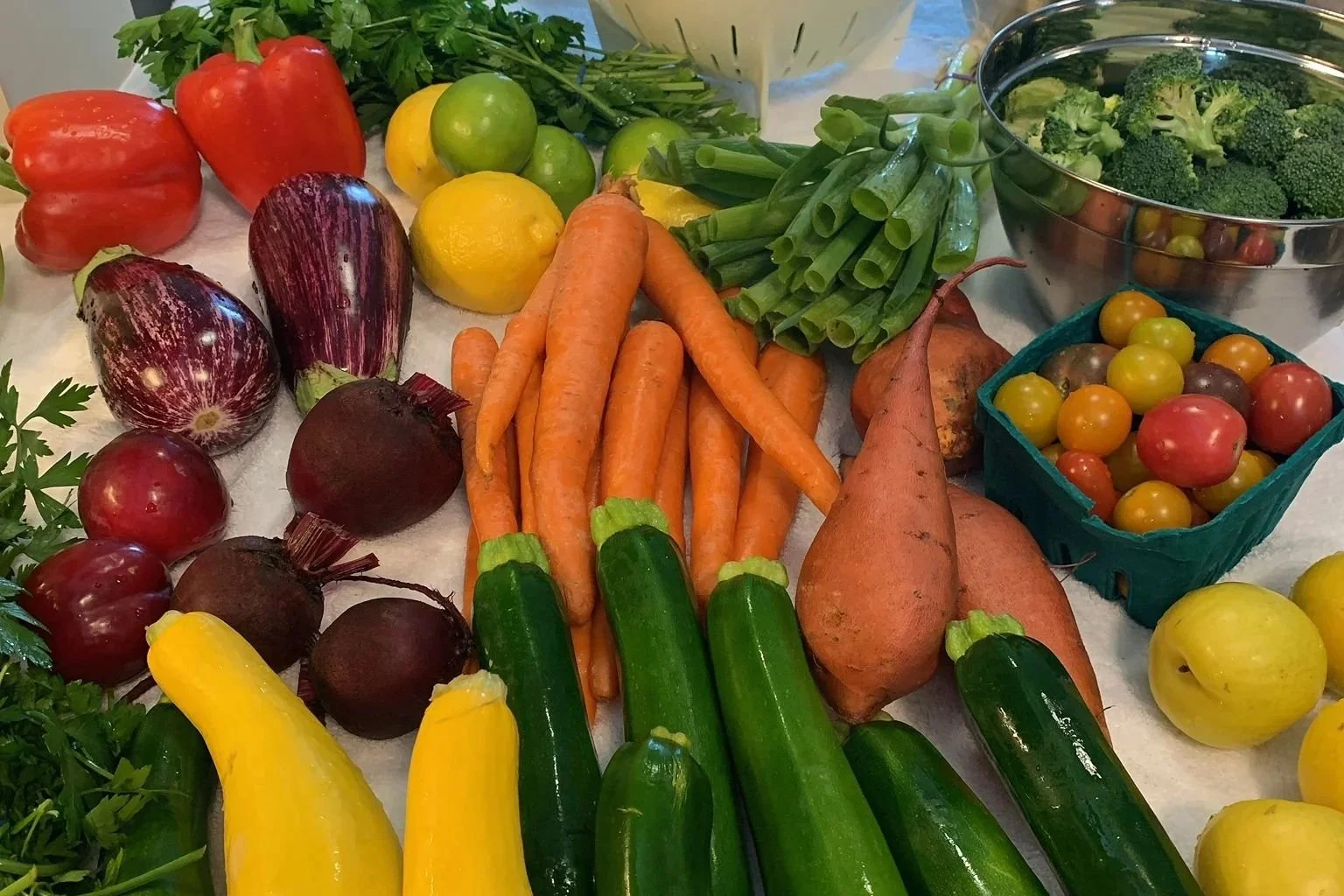
✅ Add more whole foods (fruits, vegetables, whole grains, lean proteins)
✅ Prepare your meals so you know exactly what’s going into your body
But let’s be honest… that sounds like work, right?
Meal planning. Grocery runs. Prep time. Cleaning up.
And doing it consistently not just one “healthy week” here and there.
The Good News? You Don’t Have to Do It Alone
If you live in New Jersey or New York City, you don’t have to stress over all of this.
BNK offers personal in-home chef services that handle it all for you:
Grocery shopping
Portion control
Meal prep and cooking
Cleaning up after
Custom meals based on your health goals and preferences
All you do is sit back, relax, and enjoy real food cooked for your lifestyle.
Ready to Eat Better Without the Stress?
You can book a FREE 15-minute consultation and see how BNK can upgrade your daily meals in a way that fits your schedule, nutrition needs, and taste.
Final Thoughts
Everyone says nutrition is important, but the numbers show that most people are still not eating in a way that supports their health. Between oversized portions, fast food habits, and lack of whole foods, many are fueling convenience instead of their bodies.
The good news? You can take control and you do not have to do it alone.
With the right support, eating well becomes effortless, enjoyable, and sustainable.
If you are in the NY/NJ area, BNK makes that possible right in your own home.
References
JAMA Network Open. Changes in Diet Quality Among Older U.S. Adults (2001–2018).
https://jamanetwork.com/journals/jamanetworkopen/fullarticle/2789924National Institutes of Health. Diets Improve but Remain Poor for Most U.S. Children.
https://www.nih.gov/news-events/nih-research-matters/diets-improve-remain-poor-most-us-childrenGeorgetown University McDonough School of Business. Impact of Food Portions on Health and the Environment.
https://msb.georgetown.edu/news-story/research-and-insights/new-georgetown-study-reveals-impact-of-food-portions-on-health-and-the-environment/